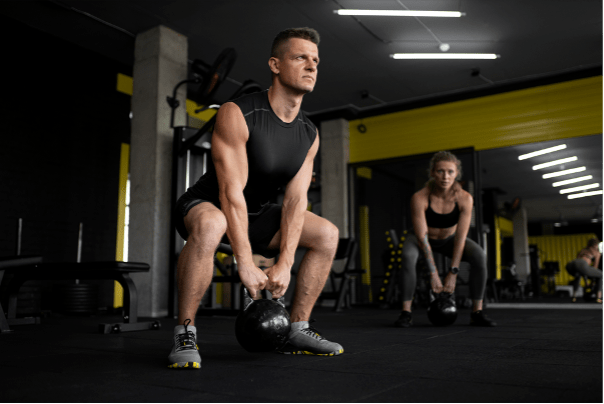
This article is designed for individuals whose primary objective is to reduce body fat and manage weight, who train once or twice per week and usually work out outdoors. Long-term results depend on aligning training volume with recovery capacity and lifestyle structure.
When structuring a routine, the focus should remain on sustainable progress rather than extreme intensity. Gradual overload, proper movement execution, and realistic expectations reduce injury risk and improve consistency.
Training environment influences motivation and performance. Whether exercising at home, in a gym, or outdoors, structure and repeatability matter more than variety.
Consistency builds momentum over time. When fitness supports daily life instead of competing with it, results become sustainable and easier to maintain.
By prioritizing recovery, balanced progression, and manageable workload, individuals can achieve meaningful improvements without burnout or unnecessary stress.
Advertisements